Buy this Domain

The Science Behind Effective Cooling Solutions

Understanding how modern fan technology transforms indoor environments through advanced airflow dynamics and energy-efficient design principles.

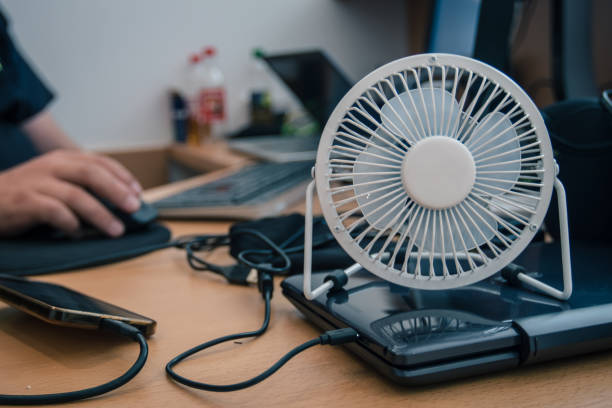
Modern USB cooling fan technology

Understanding Modern Fan Technology and Its Applications

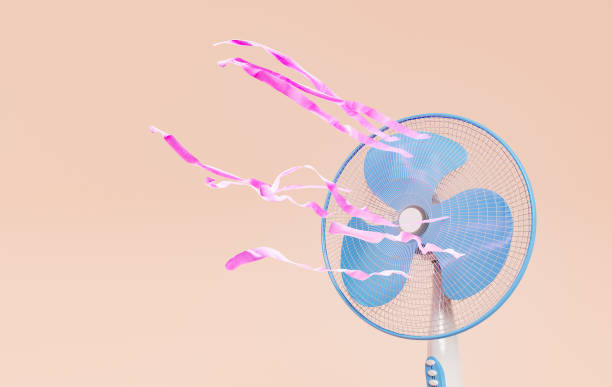
Electric fan with airflow visualization ribbons

The evolution of fan technology has revolutionized how we approach indoor climate control and air circulation. Modern electric fans incorporate sophisticated blade designs, variable speed controls, and energy-efficient motors that deliver superior performance while minimizing power consumption. These innovations have made fans an essential component in both residential and commercial cooling strategies.

Contemporary fan systems utilize aerodynamic principles to maximize airflow efficiency. The curved blade geometry, optimized pitch angles, and precision-balanced rotors work together to create smooth, quiet operation while generating powerful air movement. This scientific approach to fan design ensures optimal cooling performance across various room sizes and environmental conditions.

Smart fan technology has introduced features like remote control operation, programmable timers, and integration with home automation systems. These advancements allow users to customize their cooling experience while maintaining energy efficiency. The integration of sensors and IoT connectivity enables fans to automatically adjust their operation based on ambient temperature and humidity levels.

Energy Efficiency and Environmental Impact of Modern Cooling Systems

Energy-efficient fan systems represent a significant advancement in sustainable cooling technology. Unlike traditional air conditioning units that consume substantial electricity, modern fans use a fraction of the energy while providing effective air circulation and cooling comfort. This efficiency translates to reduced utility bills and a smaller carbon footprint.

The environmental benefits of fan-based cooling extend beyond energy savings. Fans do not require refrigerants or chemical coolants, eliminating the risk of harmful emissions that contribute to ozone depletion. Additionally, the manufacturing process for fans typically involves fewer resources and generates less waste compared to complex HVAC systems.

Variable speed motors and DC technology have further enhanced fan efficiency. These innovations allow fans to operate at optimal speeds for different conditions, reducing unnecessary energy consumption. The longer lifespan of modern fan motors also means fewer replacements and reduced electronic waste over time.

Close-up of energy-efficient electric fan motor
Electric fan demonstrating airflow patterns

Optimizing Indoor Air Quality Through Strategic Fan Placement

Proper fan placement and operation significantly impact indoor air quality and comfort levels. Strategic positioning of fans creates effective air circulation patterns that help distribute fresh air throughout living spaces while removing stagnant air pockets. This circulation is crucial for maintaining healthy indoor environments and preventing the buildup of pollutants, allergens, and excess moisture.

The science of airflow dynamics reveals that fans work most effectively when positioned to complement natural ventilation patterns. Ceiling fans should rotate counterclockwise during warm weather to create a cooling downdraft, while reversing direction in winter helps circulate warm air that naturally rises to the ceiling. Floor and table fans can be positioned to create cross-ventilation when placed near windows or doorways.

Understanding the relationship between fan speed, room size, and air exchange rates helps optimize cooling efficiency. Larger rooms require fans with higher CFM (cubic feet per minute) ratings to achieve adequate air movement, while smaller spaces benefit from variable speed controls that allow fine-tuning of airflow intensity.

Maintenance and Longevity of Fan Systems

Professional maintenance of electric fan system

Regular maintenance is essential for ensuring optimal fan performance and extending equipment lifespan. Proper care involves cleaning fan blades to prevent dust accumulation, which can reduce efficiency and create noise. Lubrication of moving parts, inspection of electrical connections, and checking for blade balance help maintain smooth operation and prevent premature wear.

The quality of fan components directly affects maintenance requirements and operational longevity. High-grade bearings, corrosion-resistant materials, and robust motor construction contribute to reliable long-term performance. Investing in quality fan systems reduces maintenance frequency and replacement costs while ensuring consistent cooling performance.

Modern fan designs incorporate features that simplify maintenance tasks. Tool-free blade removal, accessible motor housings, and self-lubricating bearings reduce the complexity of routine care. These user-friendly features encourage regular maintenance, which is crucial for maintaining efficiency and preventing costly repairs.